
Quality Matters: Not All Plasterboards Are Equal
Plasterboards may appear simple, but their quality and characteristics can vastly differ. At Gyproc, with our long-standing reputation and commitment to excellence, we’re well-equipped to guide you through these nuances.
Key Distinctions in Plasterboard Quality
1. Historical Trust
Established brands, such as RhinoBoard® with a history of more than 50 years in South Africa, are tried-and-tested products. The longevity of Gyproc RhinoBoard® plasterboards is a clear indication of consistent quality.
2. Materials and Manufacturing
At Gyproc, we use high-quality raw materials and advanced techniques to produce a standout product.
3. Performance Under Conditions
Not every plasterboard reacts the same way under different conditions like humidity, heat, or weight. Gyproc's plasterboards are built to resist problems like sagging, moisture, and wear over time. We’ll delve deeper into this point shortly.
4. Standards and Testing
Gyproc plasterboards not only meet high standards and undergo rigorous testing but also comply with the national standard, SANS 266.
5. Environmental Concerns
At Gyproc, we’re committed to sustainability. Our plasterboards are made with sustainable materials.
6. Ease of Installation
Our plasterboards are user-friendly, meaning less breakage, and waste, and a quicker installation process.
7. Total Cost of Ownership
While there might be an upfront cost with Gyproc plasterboards, the long-term savings in maintenance and replacements make them a wise choice.
8. Feedback and Reviews
The positive feedback and trust we receive from users demonstrate Gyproc’s unwavering focus on quality.
9. Warranty and Support
We’re confident in our products. We offer a system warranty, emphasizing the importance of using tried and tested systems. With various factories and distribution points, we provide sales and technical support covering sub-Saharan Africa.
Understanding Sag Testing in Plasterboard Ceiling Systems
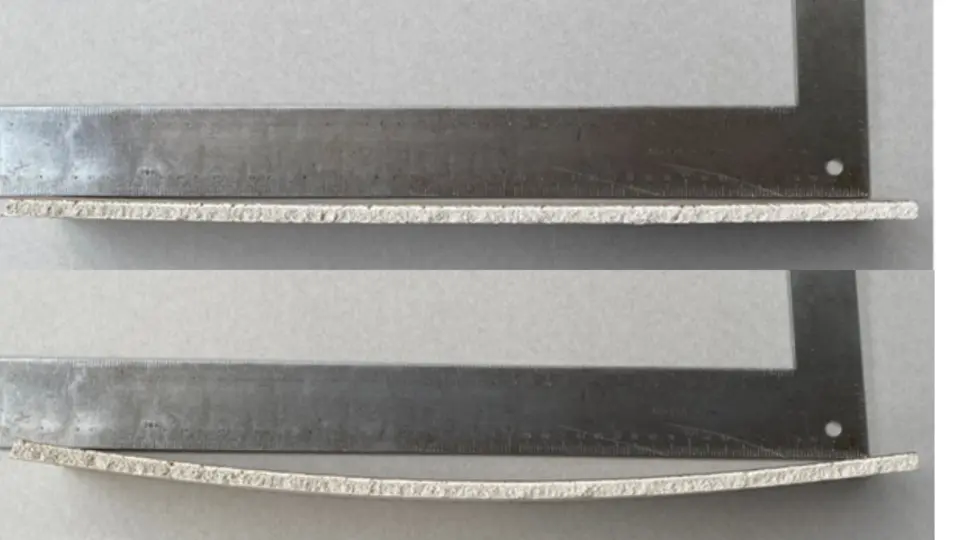
One of the critical performance attributes of plasterboard ceiling systems is their ability to resist sagging over time. Sagging can compromise both the aesthetic and functional integrity of a ceiling, making sag testing vital for quality assurance.
Why is Plasterboard Sag Testing Essential?
- Aesthetics: An unsightly sagging ceiling can lead to dissatisfaction, resulting in possible additional costs for repairs or replacements.
- Functional Integrity: Sagging can indicate diminished structural integrity in the plasterboard. Left unchecked, this can pose potential safety hazards.
- Longevity of Installation: Ceiling systems proven to resist sag ensure a longer lifespan of the installation, retaining their original form and function.
Gyproc’s Approach to Plasterboard Sag Testing
- Test Duration: Gyproc conducts sag tests over a period of 28 days, providing a comprehensive understanding of how the plasterboard will behave in the long term.
- Performance Benchmark: Our plasterboards are expected to show a maximum sag of 3 mm during this test duration to meet our high standards.
- Simulating Real-World Stress: Plasterboards are also assessed for their capability to support gypsum plaster, especially in scenarios of fully skimmed ceilings. This aspect is pivotal as an underperforming plaster often gets the blame when, in reality, it's the poorly performing plasterboard that’s the root cause of sagging and less-than-perfect finishes.
The Importance of Paper Integrity in Plasterboard
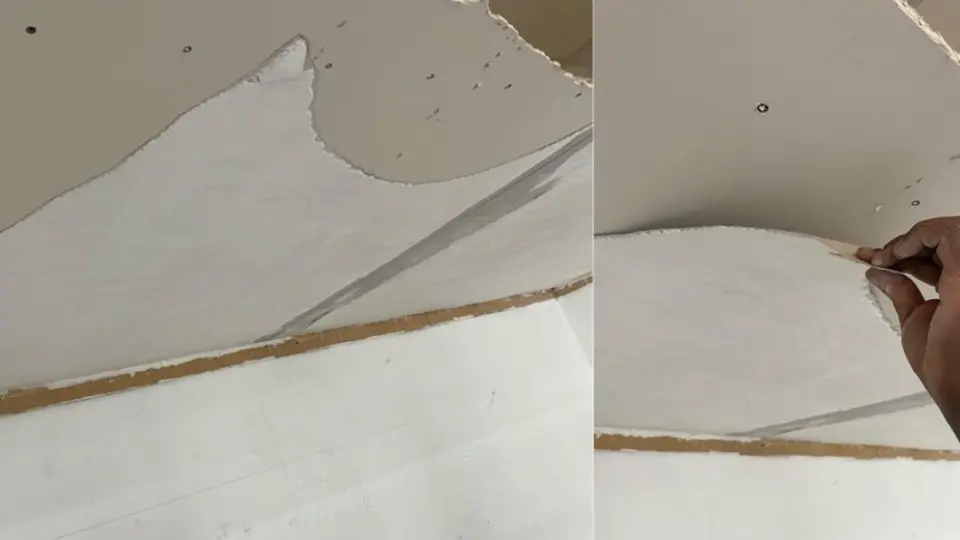
Paper delamination refers to the separation of the paper lining from the gypsum core in plasterboards. The integrity of this bond is paramount for several reasons:
- Aesthetic Appeal: Paper delamination can lead to visible imperfections on the surface of the plasterboard, compromising the overall appearance of the finished product.
- Structural Integrity: A strong bond between the paper and the gypsum core ensures that the plasterboard remains stable and robust over time. Delamination can weaken the plasterboard, making it susceptible to damage.
- Functionality: The paper lining plays a crucial role in the plasterboard’s ability to accept paints, plasters, and other finishes. If the paper delaminates, it can lead to uneven finishes and reduced adhesive properties.
Gyproc’s Commitment to Plasterboard Quality
Gyproc’s RhinoBoard® plasterboards are meticulously crafted to ensure that such issues are minimized, offering consistent quality and reliability.
Other Considerations for Plasterboard Quality:
- Screw Spacing – Ensuring proper screw spacing prevents issues such as sagging or instability.
- Using Specified Metal Framework – The right framework enhances overall system strength and durability.
- Ceiling Grid Spacing – Proper spacing contributes to better load distribution and aesthetic appeal.
There is more to plasterboard than just being “a gypsum board.” The critical role that quality plasterboards play in functionality, aesthetics, and longevity cannot be underestimated. When one compromises quality over price, sagging and paper integrity issues may lead to poor finishing quality, reduced structural and functional integrity, and diminished long-term endurance.
Gyproc’s RhinoBoard® is a beacon of quality in the market, reflecting over 50 years of innovation, commitment, and unmatched performance. Choosing high-quality plasterboards ensures durability, cost-effectiveness, and a professional finish that lasts.